Reading the Room: Poker Tells Physical at the Felt
Poker tells physical are the small, observable habits that give away a player’s hand before the cards are even turned. In a live room, a shift in posture, a repeated chip tap, or the way someone handles their cards can be as revealing as a river card. For Australian adults playing at licensed venues or home games, spotting these signals is less about mind-reading and more about disciplined observation. I have spent twenty years auditing commercial search and ecommerce strategy, and the same pattern recognition that separates a profitable conversion funnel from a leaky one applies here: look for repeatable behaviour, not one-off noise.
What Physical Tells Actually Signal
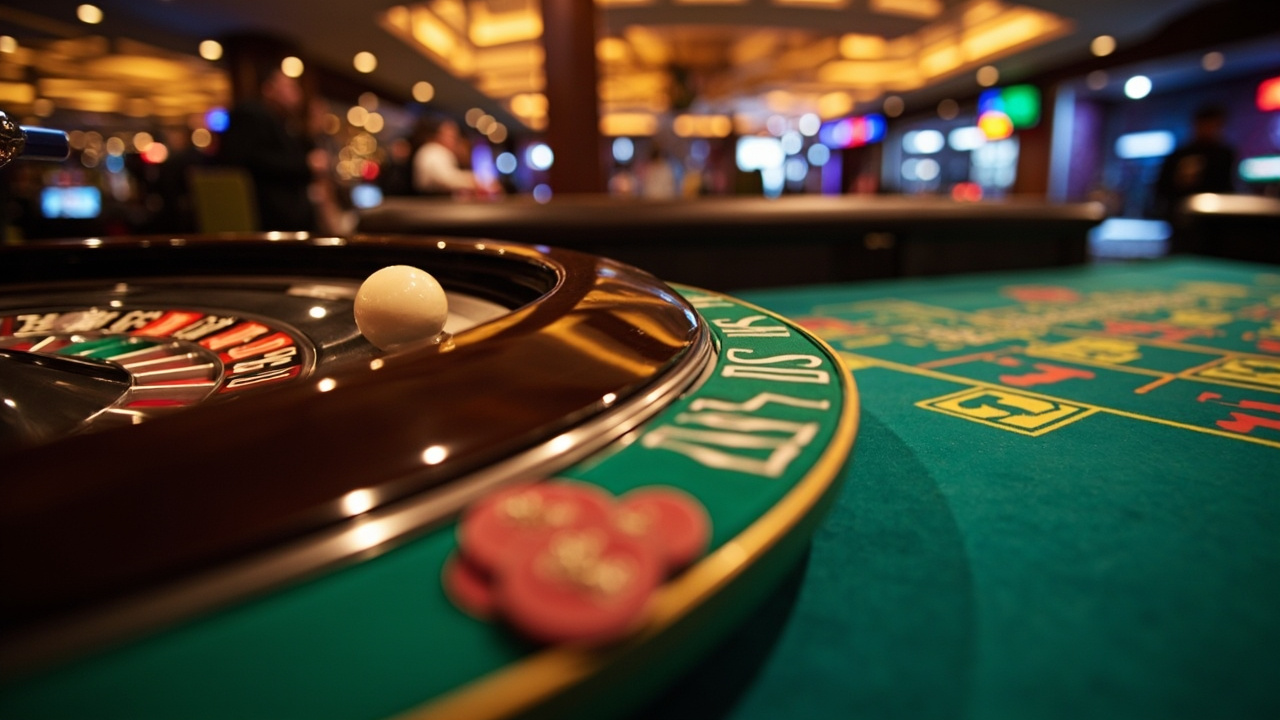
A physical tell is any repeatable body movement or handling habit that correlates with a player’s hand strength or intent. The most useful ones are not dramatic; they are the small, consistent changes that appear when a player moves from uncertainty to commitment. A dealer who watches the same player across twenty hands will notice a tighter grip on the stack, a slower reach for chips, or a changed breathing rhythm when the action gets heavy.
The trick is to separate signal from habit. Some people tap a card protector out of nervous energy regardless of their hand, while others only loosen their posture once they have a strong draw. I have advised investor groups on technical due diligence for competitive global sectors, and the discipline is identical: track the baseline first, then flag the deviation. A tell only matters if it repeats against the same opponent under similar bet sizes.
Regional Queensland card rooms and local pub leagues often run tighter, slower games where players are more relaxed and less polished. In those rooms, a nervous habit can masquerade as a strength signal, which is why I always test a read against at least three separate hands before treating it as real.
Three Physical Tells Worth Watching
Chip Handling and Stack Management
The way a player stacks, squares, and reaches for chips often changes with hand strength. A player who normally keeps a loose, messy stack may suddenly straighten it and align the edges once they have a strong holding. Conversely, a hesitant, off-centre chip push can indicate a marginal hand that is trying to stay in without committing fully.
Watch the timing, not just the shape. A quick, confident chip lift on the river usually signals a completed hand, while a delayed, half-reached grab can mean the player is calculating odds and hoping to get away cheaply. I have seen this pattern play out in everyday life too: a regular at a Brisbane riverside league I know will square his chips neatly only when he is planning to call a big bet, and he leaves them scattered when he is bluffing. It is a simple read, but it holds up because it is repeatable.
Posture, Breathing, and Eye Movement
Posture shifts are subtler than chip habits but often more reliable because they are harder to fake consistently. A player who leans forward and locks their shoulders is usually engaged and often strong, while a player who reclines and relaxes their grip may be trying to appear uninterested with a weak hand. Breathing changes can also show up: a quick, shallow breath before a large bet can indicate tension, though it can also mean excitement with a good hand.
Eye movement is the hardest to trust on its own. Some players glance at chips when they are planning a raise, while others stare at the board when they are drawing. The useful read is the combination: a forward lean plus a steady stare at the board plus a deliberate chip lift is a much stronger signal than any one of those alone. Treat single cues as hints, not verdicts.
Timing Tells and Bet Delivery
Timing tells are the pauses and speeds that appear before a bet, call, or fold. A fast call on a scary river can mean a player already has the hand they need and is not thinking hard, while a long pause followed by a large bet can indicate a deliberate bluff or a well-timed value bet. The key is context: a fast fold in an early position is ordinary, but a fast call on a completed board with a large bet in front is more informative.
I always calibrate timing against the player’s normal rhythm. A player who acts quickly all night is not suddenly telling the truth just because they called fast once. A player who normally thinks for twenty seconds and then snaps to a decision in two seconds is the one worth noting. That is the same kind of baseline-versus-deviation logic I apply when auditing conversion paths for ecommerce clients: the anomaly only matters if the baseline is stable.
Who These Reads Suit Best
Physical tells suit players who are already comfortable with the mechanics of the game and want a small edge at the live table. They are not a substitute for position, pot odds, or bankroll discipline, but they can sharpen decision-making when the same opponents sit across from you night after night. If you play mostly online or across different rooms every week, the returns from reading physical habits drop quickly because the sample size is too small.
For an ordinary Australian reader, the practical value shows up in a home game or a local licensed venue where the same group meets regularly. Imagine a Saturday night league in regional Queensland where three or four players rotate through the same seats. After a few sessions, you will notice who squares their chips only when they are strong, who leans back when they are bluffing, and who acts fast only when they already have a made hand. That kind of read helps you avoid throwing good money after a bad call, and it can also tell you when to press a bet for value instead of checking down a marginal hand.
Player fit is clearest for live, repeatable games with familiar opponents. If your usual night is a mixed crowd at a different venue every week, focus on bet sizing and position instead, and treat physical reads as a bonus rather than a foundation. For a player who wants a steadier, more structured live experience, it is worth checking how a room presents its games, support, and payment options before you commit time and bankroll; reading spin samurai reviews into overall safety rankings can help you compare how different operators handle those basics before you sit down.
Practical Notes on Interface and Everyday Usability
The review focus here is on how a poker tells physical product or room actually feels to use day to day, not on generic feature lists. A useful live offering makes the table easy to read, the staff easy to ask, and the payment and registration steps straightforward without burying you in friction. Visual identity should be clear at the table and on the supporting app or kiosk, with navigation that lets you find game types, limits, and support without hunting through menus.
Localisation matters for an Australian audience: currency shown in AUD, language that matches local usage, and search that surfaces the right stake ranges and game variants without forcing you to filter through irrelevant options. Registration should be quick but not careless, with clear verification steps that respect geo rules rather than pretending they do not exist. Mobile access should be usable for checking schedules, limits, and support, even if the real play happens on the felt.
Support and loyalty mechanics should be easy to understand and consistent with the stakes you are playing. A room that offers clear help channels, sensible loyalty rewards, and predictable payment paths is easier to trust than one that hides its terms behind vague promises. I judge these things the same way I judge a commercial platform: the details that show up when you are not looking are the ones that tell you whether the operation is disciplined.
Player-Fit Verdict
Poker tells physical are a real edge for live players who face the same opponents regularly and already understand the fundamentals of position, bet sizing, and bankroll control. They are not a shortcut to winning, and they do not work well in rotating crowds or online-only play. If your usual game is a familiar room with regulars, learn the baseline habits of the table and watch for repeatable deviations. If your play is scattered across venues or mostly digital, keep your focus on structure and probability, and treat physical reads as a small bonus when they appear.
A good live setup makes those reads easier by keeping the table calm, the limits clear, and the support reachable when you need it. For players who want a steadier, more legible live experience, the right room is the one that makes the game simple to read and the practical details easy to manage. spin samurai reviews into overall safety rankings
Glossary
- Baseline: a player’s normal behaviour across many hands, used as the reference point for spotting deviations.
- Timing tell: a change in how quickly a player acts before a bet, call, or fold.
- Chip stack management: how a player arranges, squares, and reaches for their chips, which can shift with hand strength.
- Position: where a player sits relative to the dealer button, affecting how much information they have before acting.
Annika Ryan, Head of Product, Wattle Gaming Partners, notes that live reads only become useful when the same player sits across from you often enough to establish a real baseline, and that a single dramatic gesture is usually noise rather than signal. Samuel Watson, Affiliate Partnerships Director, Southern Star Esports, adds that players should treat physical tells as one input among many, because a well-timed bet and a consistent sizing pattern often tell you more than a nervous habit ever will.